How to Write a Listicle: Dos, Don’ts & Winning Formats
You’ve seen them everywhere. Those irresistible headlines promising “27 Ways to…” or “15 Secrets That…” clicking through your feed, tempting you with their numbered promises. But here’s what most people don’t realize: there’s actual science behind why listicle templates work so devastatingly well.
A recent study by Anyword found that listicle headlines boosted click-through rates by 70% compared to traditional article formats. Meanwhile, BuzzSumo’s analysis of 100 million headlines found that numbered list formats dominated the most shared content, with listicle headlines consistently appearing among the top-performing content across social platforms.
The reason?
Your brain craves structure.
In our scroll-heavy digital world, listicles offer predictable, digestible chunks of information that feel manageable to consume. They’re the content equivalent of breaking a massive project into bite-sized tasks, and suddenly, everything feels achievable.
But here’s where most content writers stumble: they think slapping numbers on a headline and throwing together random tips equals a successful listicle. That’s like assuming a pile of bricks automatically becomes a house.
This handy guide will show you how to write a listicle that doesn’t just get clicks but gets bookmarked, shared, and referenced months after you publish them.
- Listicle Meaning and Example
- What Exactly Makes a Listicle Work?
- The Psychology Behind Why Your Brain Loves Lists
- How to Write a Listicle – The Real Dos & Don’ts
- Top 5 Listicle Formats That Drive Engagement & Results
- Fresh Listicle Ideas That Haven’t Been Done to Death
- How to Make Your Listicles Rank in the Age of AI
- When to Partner with a Listicle Writing Company
- Quick Answers to Common Questions
Listicle Meaning and Example
A listicle is an article structured as a list, combining the word “list” and “article” to create content that’s both informative and highly scannable.
Think of it as your content’s secret weapon for capturing attention in our scroll-heavy digital world. Here’s an easy-to-understand example:
Before: “Content Marketing Strategies That Work”
After: “17 Content Marketing Strategies That Boosted Traffic by 300%”
The difference? Specificity, numbers, and a clear promise of value. The second headline tells readers exactly what they’ll get and how much of it.
What Exactly Makes a Listicle Work?
A listicle isn’t just an article with numbers sprinkled on top. It’s a strategic content format that combines the accessibility of a list with the depth of quality journalism. Think of it as the Swiss Army knife of content marketing – versatile, practical, and surprisingly sophisticated when crafted correctly.
The magic happens when you transform this: “Strategies for Better Email Marketing”
Into this: “11 Email Marketing Tricks That Increased Our Open Rates by 247%”
See the difference? The second headline tells you exactly what you’re getting (11 specific strategies), promises measurable results (247% increase), and uses an odd number that feels authentic rather than manufactured.
But the real power lies deeper. When you structure information as a numbered list, you’re essentially creating a content roadmap. Readers know where they’re going, how long the journey will take, and can easily pick up where they left off if interrupted.
The Psychology Behind Why Your Brain Loves Lists
Your mind is constantly trying to make sense of chaos. Lists provide instant organization to complex information, which is why they feel so satisfying to consume.
There’s also something called the “Zeigarnik Effect” at play – your brain has trouble letting go of incomplete tasks. When you see “7 Ways to Boost Productivity,” your mind starts counting along, creating a mini-addiction that keeps you scrolling until you reach number seven.
Plus, lists feel achievable. A 2,000-word essay feels daunting. Seven numbered sections? That’s just seven small conversations with yourself.
How to Write a Listicle – The Real Dos & Don’ts
If you don’t know how to write a listicle blog post that’s consumed through and through, you must learn what you must do – and what to avoid altogether.
After analyzing hundreds of high-performing listicles, here are the patterns that separate amateur attempts from lasting successes.
The Dos That Actually Matter
Start with search intent, not vanity metrics: Before you write a single word, spend 20 minutes understanding what people actually want when they search for your topic. Are they looking for quick wins, comprehensive guides, or specific tools? Your entire structure should answer that core need.
Here’s a real example: When people search “email marketing tips,” they’re usually overwhelmed beginners looking for actionable steps they can implement today. They don’t want theory, they want “Set your subject line to this exact format” level specificity.
Use specific numbers, but make them meaningful: “31 Tips” isn’t automatically better than “7 Strategies.” Choose your number based on how much valuable content you actually have. We’ve seen 3-item listicles outperform 50-item ones because every point delivered genuine value. The key is crafting headlines that clearly communicate value while following proven title optimization principles.
Create a parallel structure that feels rhythmic: If your first item starts with “Optimize your headlines,” every item should follow that action-verb pattern. This creates a mental rhythm that makes your content feel professional and easier to process.
Back every claim with context or proof: Don’t just say “Use storytelling in your emails.” Show them exactly what that looks like: “Instead of ‘Sale ends tomorrow,’ try ‘Nia almost missed out on her dream prom dress – don’t let that be you.'” Give people the specific language they can copy-paste.
Write subheadlines that could rank independently: Each H3 should be meaty enough to capture as a featured snippet. “Email Subject Line Psychology” is better than “Psychology Tips” because it tells search engines exactly what you’re covering.
End with a clear next step: The worst listicles leave readers thinking “Now what?” Your conclusion should funnel all that energy toward one specific action – subscribing, downloading, trying a strategy, or booking a call.
The Don’ts That Kill Engagement
Never promise what you can’t deliver: If your headline says “17 Growth Hacks,” you better have 17 legitimate strategies, not 12 decent ones plus 5 random tips you threw in to hit your number. Trust is harder to rebuild than to maintain.
Don’t pad your list with obvious filler: We’ve all seen those listicles where tip #8 is “Be consistent” with no explanation of what consistency actually looks like. If you can’t add genuine value, cut the item entirely.
Avoid publishing without fact-checking every stat: That compelling statistic you found in another blog post? Trace it back to the original source. If you can’t verify it, don’t use it. Credibility is your most valuable SEO asset.
Don’t ignore the basics while chasing trends: Yes, optimize for AI search. But don’t forget to include your target keywords naturally, optimize images with descriptive alt text, and structure your content with proper heading hierarchy.
Never create walls of text within list items: Each point should be scannable – use short paragraphs, bullet points, and white space generously. Most readers will skim first, then dive deeper into sections that grab their attention.
Top 5 Listicle Formats That Drive Engagement & Results
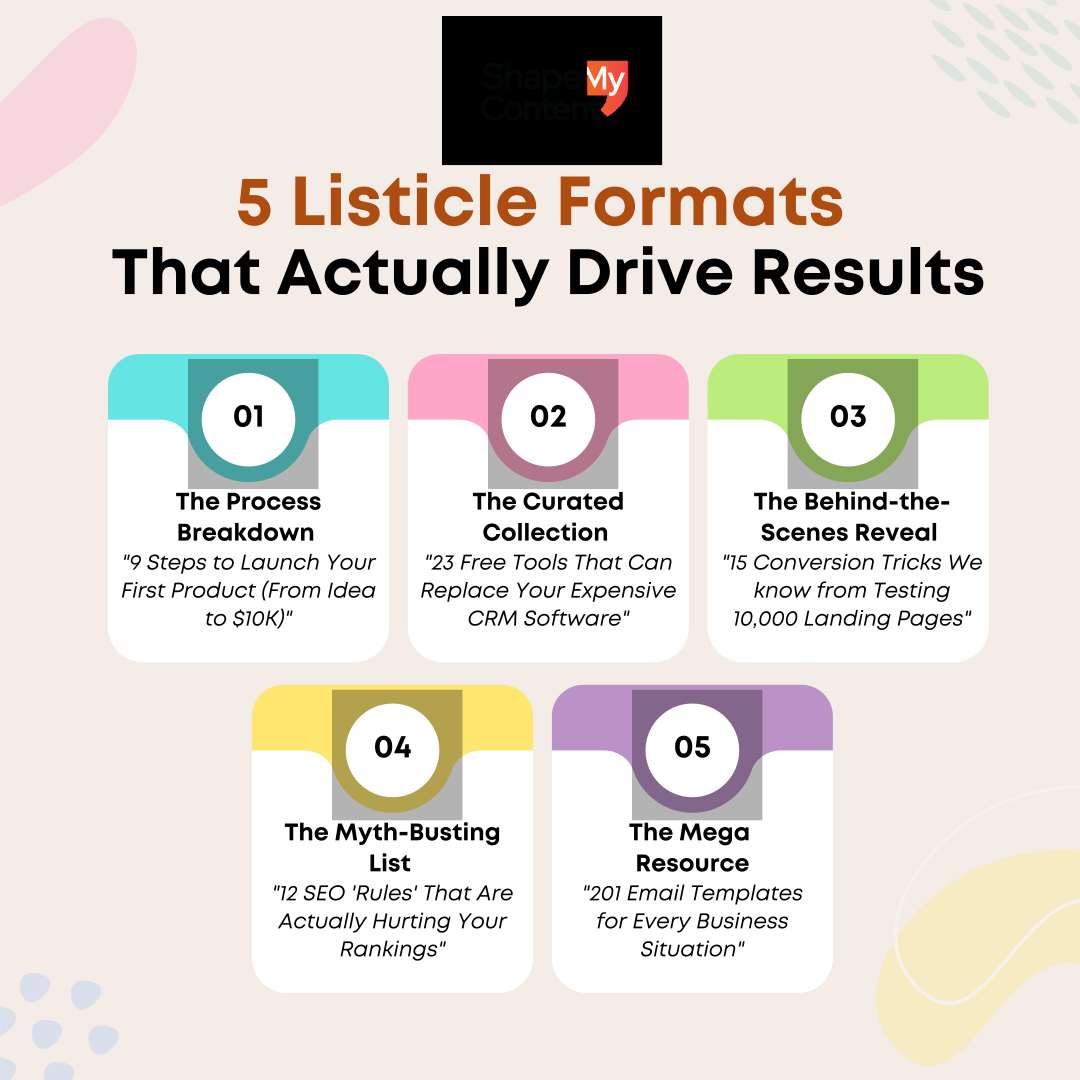
Not all listicles serve the desired purpose. After analyzing top performers across different industries, these five formats consistently generate the most engagement and links.
The Process Breakdown
These work because they give readers a clear roadmap. Each step builds on the previous one, creating a sense of progression. The key is making each step specific enough that someone could follow along without additional research.
The Curated Collection
Curation saves readers time, which they appreciate enough to bookmark and share. The secret is testing every tool yourself and explaining exactly what makes each one valuable. Don’t just list – evaluate.
The Behind-the-Scenes Reveal
People love seeing the methodology behind success. Share your actual experiments, including what didn’t work. The authenticity makes these incredibly link-worthy.
The Myth-Busting List
Contrarian content gets attention because it challenges conventional wisdom. But you need solid evidence for every claim. These posts often go viral because they give people permission to think differently.
The Mega Resource
Comprehensive lists become industry references that people bookmark and cite for years. Think Backlinko’s “200 Google Ranking Factors” – it’s genuinely useful and evidently ranks higher in the search results.
Fresh Listicle Ideas That Haven’t Been Done to Death
Here are some angles that still have room for fresh takes. Notice how each targets a specific outcome rather than general advice:
Listicle Ideas For SaaS Companies
- “13 Onboarding Emails That Cut Churn by 40%”
- “19 Support Ticket Templates That Actually Solve Problems”
- “7 Pricing Page Elements That Increased Our Conversions 3x”
Listicle Ideas For E-commerce Brands
- “15 Product Photography Hacks Using Only Your Smartphone”
- “11 Abandoned Cart Emails That Win Back 25% of Lost Sales”
- “9 Review Request Templates That Feel Human, Not Pushy”
Listicle Ideas For Service Businesses
- “17 Client Onboarding Steps That Prevent Scope Creep”
- “13 Proposal Sections That Close More Deals”
- “21 Follow-up Email Templates for Every Client Situation”
Listicle Ideas For Digital Marketing Agencies
- “25 Tweet Frameworks That Consistently Go Viral”
- “14 YouTube Thumbnail Tricks from Channels with 1M+ Subscribers”
- “19 Newsletter Subject Lines That Get 60%+ Open Rates”
The pattern here?
Each headline promises specific, measurable outcomes rather than vague improvements.
How to Make Your Listicles Rank in the Age of AI
AI search changes everything about how content gets discovered. Here’s how to adapt your listicle strategy for maximum visibility in both traditional and AI-powered search results.
Write mini-summaries under each major section: AI assistants love content they can easily parse and quote. Include 30-40 word summaries that directly answer the search query. This helps your content get featured in AI responses.
Use structured data and FAQ formatting: Structure common questions as clear headings with direct answers. This helps search engines understand your content hierarchy and increases your chances of appearing in featured snippets.
Optimize images like they’re mini landing pages: Name your files descriptively (“listicle-writing-checklist.webp” not “IMG_1234.jpg”) and write alt text that explains what people will learn from the image, not just what it shows.
Build cite-worthy resources within your listicles: Include original research, compelling statistics, or quotable insights that other content writers will want to reference. As one smart marketer put it: “Make it easier to cite you than compete with you.”
Create multiple entry points to the same content: Turn individual list items into social media posts, quote cards, or short-form videos. This amplifies your reach and creates multiple pathways back to your main article. For maximum impact, consider combining listicles with other evergreen content formats that continue driving traffic long after publication.
Link strategically to build topic authority: Connect your listicle to related content on your site, creating clusters that signal expertise to search engines. But also link out to authoritative sources – it builds trust and sometimes earns reciprocal links.
When to Partner with a Listicle Writing Company
Creating one great listicle is manageable. Building a sustainable content engine that consistently produces ranked, revenue-driving listicles? That’s where most marketing teams hit a wall.
You might need expert help if you’re facing any of these challenges:
- Your listicles aren’t ranking despite following best practices: Sometimes the issue isn’t your writing, it’s your keyword strategy, internal linking structure, or technical SEO foundation. Getting an outside perspective can identify blind spots you’ve developed.
- You’re spending too much time on research and not enough on strategy: Quality listicles require significant upfront research to ensure every point adds genuine value. If content creation is eating up time you should spend on business development, it might be worth partnering with specialists.
- Your team lacks the bandwidth for consistent publishing: Sporadic content doesn’t build the authority that drives sustainable organic growth. If you can’t commit to regular publishing, working with a content partner ensures consistency.
At Shape My Content, we’ve helped hundreds of businesses transform their content strategy with listicles that actually rank and convert. Our listicle writing services and approach combines strategic keyword research with authentic storytelling to create content that resonates with both search engines and real humans.
What makes our listicle writing services different:
- We start with comprehensive search intent analysis, not just keyword volume
- Every piece includes original insights or data that makes it cite-worthy
- We optimize for both traditional search and AI discovery
- Our team includes SEO strategists who understand technical optimization
Ready to see what strategic listicle creation can do for your traffic and leads?
Book your free content consultation and we’ll analyze your current content, identify your biggest opportunities, and show you exactly how listicles can fit into your growth strategy.
Quick Answers to Common Questions
How long should a listicle be?
Focus on value density over word count. Most effective listicles range from 1,500-3,000 words, but a tight 800-word list often outperforms a padded 2,500-word version.
Do odd or even numbers work better in headlines?
Odd numbers (7, 13, 17) tend to feel more authentic and generate higher click-through rates. But don’t force it – choose the number that matches your actual content.
How often should I publish listicles?
Listicles should complement, not dominate, your content mix. Aim for roughly 25-30% of your content to be list-format posts, balanced with in-depth guides, case studies, and other formats. Consult with your listicle writing company to plan a strategic content publishing schedule.
Can B2B brands use listicles effectively?
Absolutely. B2B audiences often prefer scannable content that respects their time. Focus on practical frameworks, tool recommendations, and process optimizations rather than fluffy tips.